The IPL Purple Cap has never belonged to just one type of bowler. Across 18 seasons, it has gone to left-arm swing bowlers, tall hit-the-deck quicks, death-over specialists, wrist-spinners, and variation-heavy T20 operators.
That is what makes this list interesting. The routes were different, but the outcome was the same: wickets, sustained over a full season.
A few numbers define the race immediately. 32 wickets remain the highest single-season tally, achieved by Dwayne Bravo in 2013 and Harshal Patel in 2021. Only three bowlers have won the award more than once, and only Bhuvneshwar Kumar has done it in back-to-back seasons. Also, despite the IPL being a batter-dominated competition, only three spinners have topped the wicket charts so far.
Here is the full season-by-season list, followed by the standout numbers, repeat winners, and a closer look at every Purple Cap campaign.
IPL Purple Cap Winners: Full List
A complete season-by-season list of every bowler who finished with the most wickets in IPL history.
| Season | Player | Team | Matches | Wickets |
|---|---|---|---|---|
| 2008 | Sohail Tanvir | Rajasthan Royals | 11 | 22 |
| 2009 | RP Singh | Deccan Chargers | 16 | 23 |
| 2010 | Pragyan Ojha | Deccan Chargers | 16 | 21 |
| 2011 | Lasith Malinga | Mumbai Indians | 16 | 28 |
| 2012 | Morne Morkel | Delhi Daredevils | 16 | 25 |
| 2013 | Dwayne Bravo | Chennai Super Kings | 18 | 32 |
| 2014 | Mohit Sharma | Chennai Super Kings | 16 | 23 |
| 2015 | Dwayne Bravo | Chennai Super Kings | 16 | 26 |
| 2016 | Bhuvneshwar Kumar | Sunrisers Hyderabad | 17 | 23 |
| 2017 | Bhuvneshwar Kumar | Sunrisers Hyderabad | 14 | 26 |
| 2018 | Andrew Tye | Kings XI Punjab | 14 | 24 |
| 2019 | Imran Tahir | Chennai Super Kings | 17 | 26 |
| 2020 | Kagiso Rabada | Delhi Capitals | 17 | 30 |
| 2021 | Harshal Patel | Royal Challengers Bangalore | 15 | 32 |
| 2022 | Yuzvendra Chahal | Rajasthan Royals | 17 | 27 |
| 2023 | Mohammed Shami | Gujarat Titans | 17 | 28 |
| 2024 | Harshal Patel | Punjab Kings | 14 | 24 |
| 2025 | Prasidh Krishna | Gujarat Titans | 15 | 25 |
Bowlers With The Most Purple Caps
Only 3 bowlers have won the Purple Cap more than once.
| Player | Seasons | Teams | Caps |
|---|---|---|---|
| Dwayne Bravo | 2013, 2015 | CSK, CSK | 2 |
| Bhuvneshwar Kumar | 2016, 2017 | SRH, SRH | 2 |
| Harshal Patel | 2021, 2024 | RCB, PBKS | 2 |
That list becomes more interesting when you look at how each one got there.
- Bravo was the first to win it twice
- Bhuvneshwar Kumar is the only bowler to win it in consecutive seasons
- Harshal Patel is the only player to win it for two different franchises
Key Numbers That Define The Purple Cap
Before getting into the individual seasons, these are the records that shape the full honors list.
| Record | Detail |
|---|---|
| Most wickets in a season | 32, Dwayne Bravo (2013) and Harshal Patel (2021) |
| Fewest matches to win | 11, Sohail Tanvir (2008) |
| Best economy among winners | 5.95, Lasith Malinga (2011) |
| Oldest winner | Imran Tahir, age 40 (2019) |
| Only back-to-back winner | Bhuvneshwar Kumar (2016, 2017) |
| First spinner to win | Pragyan Ojha (2010) |
| Only leg-spinner to win | Yuzvendra Chahal (2022) |
| Won with two different teams | Harshal Patel (RCB in 2021, PBKS in 2024) |
| Purple Cap + IPL title same season | Sohail Tanvir (2008), RP Singh (2009), Bhuvneshwar Kumar (2016) |
| Pace vs spin split | Pacers 15, Spinners 3 |
Season-Wise IPL Purple Cap Winners Analysis
A season-by-season look at every bowler who finished on top of the IPL wicket charts.
1. 2008: Sohail Tanvir (RR) – 22 Wickets
The first Purple Cap season still holds up remarkably well. Sohail Tanvir took 22 wickets in only 11 matches, which remains the fewest matches by any Purple Cap winner. That alone makes his campaign one of the most efficient in IPL history.
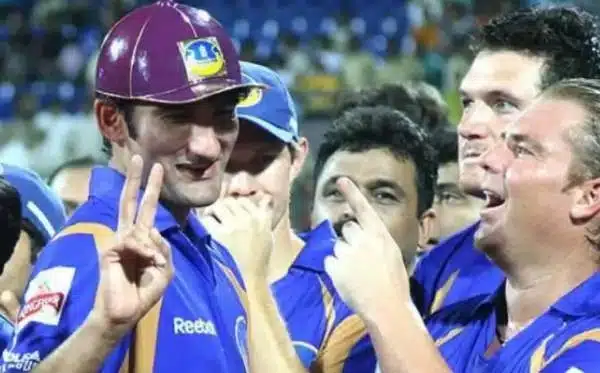
He did not just lead the wickets chart; he did it with elite control. His economy of 6.46 and average of 12.09 are outstanding numbers for any T20 tournament, especially the first edition of a new league, where no one really knew what elite IPL bowling would look like.
The headline spell was the 6/14 against Chennai Super Kings, which stood as the best bowling figures in IPL history for more than a decade before being surpassed in 2019. That performance gave the season a signature moment, but the bigger point is how consistently he struck across a short campaign.
| Matches | Wickets | Economy | Average |
|---|---|---|---|
| 11 | 22 | 6.46 | 12.09 |
2. 2009: RP Singh (DC) – 23 Wickets
RP Singh’s Purple Cap season deserves more respect than it usually gets because it happened in South Africa, under conditions that rewarded seam bowlers who could adapt quickly. He did exactly that.
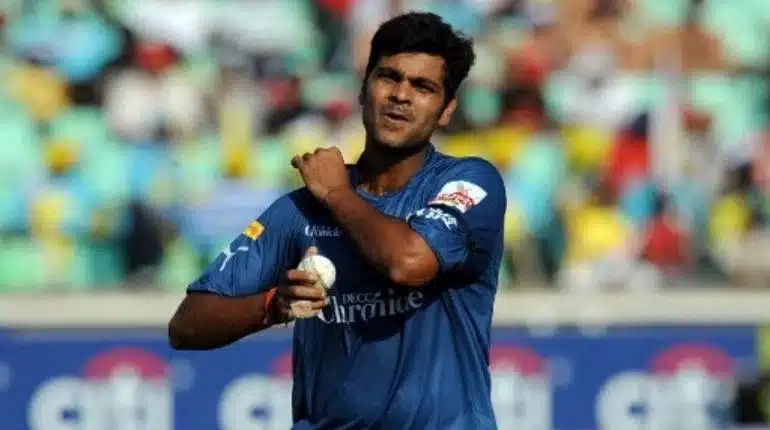
He finished with 23 wickets in 16 matches, becoming the first Indian bowler to win the Purple Cap. His 6.98 economy and 18.13 average show that this was not just a wicket-taking run; it was also a highly controlled one.
The left-arm angle, movement with the new ball, and usefulness in powerplay overs made him a major weapon throughout the tournament. The conditions suited him, yes, but plenty of bowlers had the same conditions and did not own the season the way he did.
What gives this campaign extra value is the outcome around it. RP Singh was also one of the very few bowlers to win the Purple Cap and the IPL title in the same season, which immediately pushes this into the higher tier of Purple Cap years.
| Matches | Wickets | Economy | Average |
|---|---|---|---|
| 16 | 23 | 6.98 | 18.13 |
3. 2010: Pragyan Ojha (DC) – 21 Wickets
Pragyan Ojha’s win matters because it broke the early pattern. After two seasons of left-arm seamers topping the list, a spinner came through and took the award.
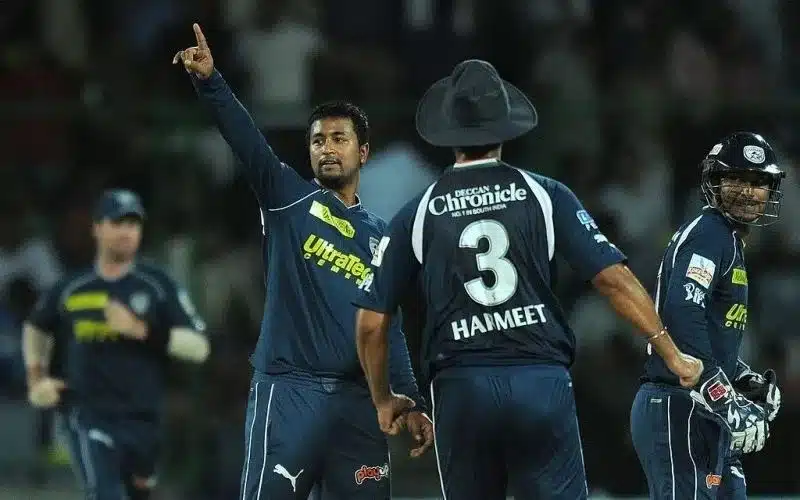
He became the first spinner to win the Purple Cap.
His raw wicket count, 21 in 16 matches, is the lowest among winners, but the season should not be judged only by that number. Ojha’s value was in how he controlled the middle overs and kept pressure on the batting sides without losing wicket-taking threat.
He finished with a 7.29 economy and 20.42 average, which reflects a season based more on accuracy and sustained pressure than explosive spells. On surfaces where batters often expect to dominate spin, he still stayed ahead of the rest of the field.
This was also a significant moment in the broader Purple Cap history. It showed that even in a league where fast bowlers usually dominate the wickets column, a spinner could still top the season if he controlled the right phases well enough.
| Matches | Wickets | Economy | Average |
|---|---|---|---|
| 16 | 21 | 7.29 | 20.42 |
4. 2011: Lasith Malinga (MI) – 28 Wickets
Lasith Malinga’s 2011 season is one of the cleanest examples of what elite T20 fast bowling looks like. The obvious number is 28 wickets in 16 matches, which was the highest single-season tally at the time, but that is only half the story.
The bigger number is 5.95. That remains the best economy rate by any Purple Cap winner across all 18 seasons in your dataset.
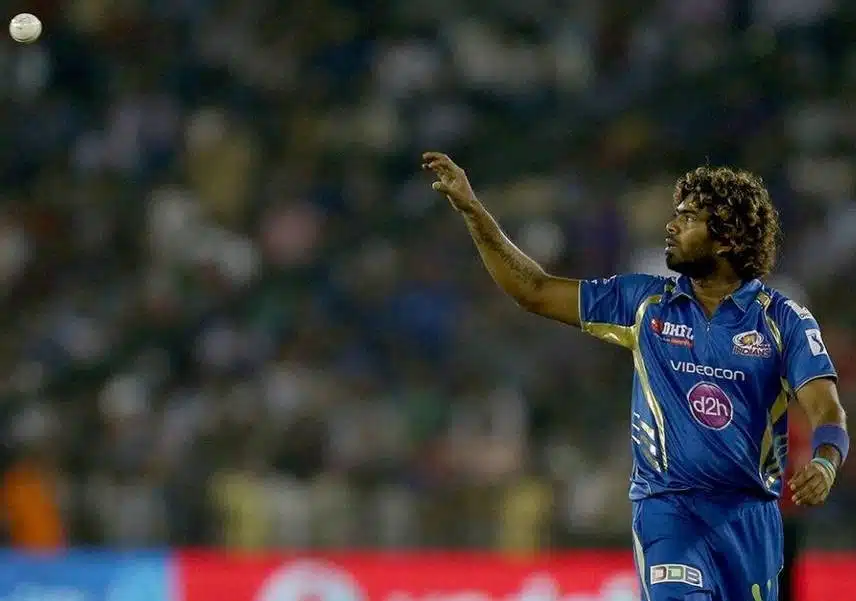
In a league designed to reward aggressive batting, that level of control is absurd.
He also paired it with an average of 13.39, which means he was not merely containing. He was striking consistently while still keeping his scoring rate under control. That combination is what separates this season from many other wicket-heavy campaigns.
Malinga’s season stands out because it delivered both pressure and damage. Plenty of bowlers can do one. Very few can do both over an entire IPL. That is why 2011 remains one of the strongest Purple Cap years on this list.
| Matches | Wickets | Economy | Average |
|---|---|---|---|
| 16 | 28 | 5.95 | 13.39 |
5. 2012: Morne Morkel (DD) – 25 Wickets
Morne Morkel’s Purple Cap campaign brought a different kind of threat to the list. Unlike many T20 wicket-takers who rely heavily on slower balls and deception, Morkel’s season was driven by pace, bounce, and awkward lift.
He claimed 25 wickets in 16 matches, with a 7.29 economy and 18.12 average. Those are strong all-round numbers, but the standout stat here is his strike rate of 15.12, which tells you he was taking wickets regularly throughout the tournament.
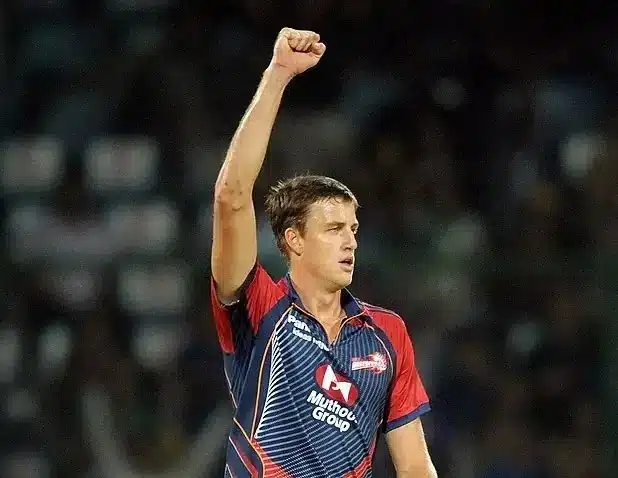
He also became the first South African to win the Purple Cap, giving this season a little extra significance in the award’s overall history. For a Cricket South Africa audience, this is one of the landmark entries on the honors list.
Morkel’s 2012 season may not get remembered as loudly as some of the 30-plus wicket years, but it was a proper high-quality fast-bowling campaign built on repeatable strengths rather than one-off spikes.
| Matches | Wickets | Economy | Average | Strike Rate |
|---|---|---|---|---|
| 16 | 25 | 7.29 | 18.12 | 15.12 |
6. 2013: Dwayne Bravo (CSK) – 32 Wickets
This is the benchmark season. Dwayne Bravo’s 32 wickets in 18 matches set the highest single-season tally in IPL history, and that number is still standing, even if it has since been matched.
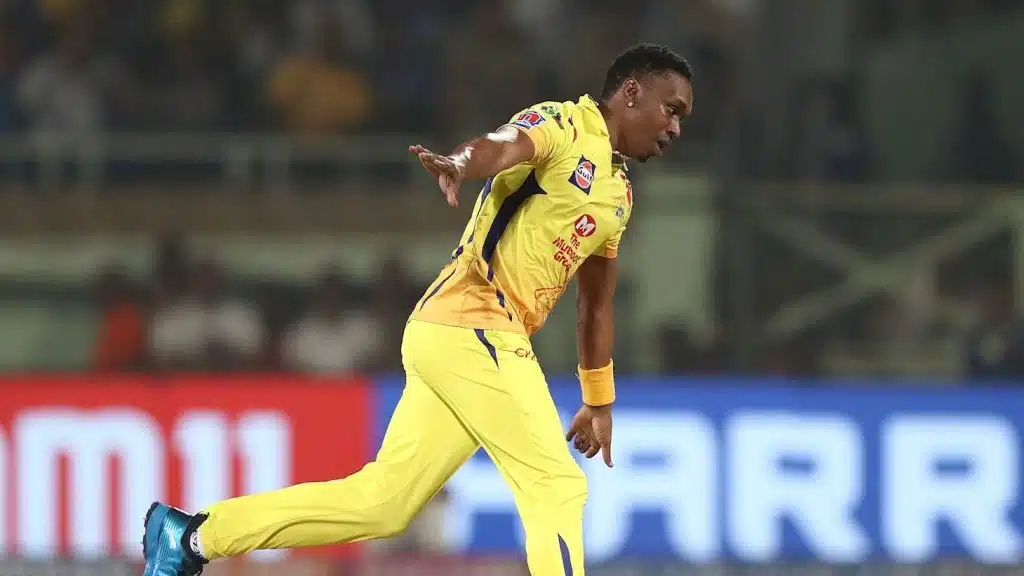
The reason this season has held up for so long is that it was not built on a single phase of the innings. Bravo kept producing wickets across a long campaign and did it while carrying high-pressure overs for Chennai Super Kings.
His 7.95 economy and 15.53 average show that the season was not just about volume. It was also efficient. He did not need express pace to dominate. The season was built on slower balls, changes of pace, and death-over execution that consistently broke partnerships.
This was also the year that set the standard for every Purple Cap winner that followed. Once 32 went on the board, every later elite season had to be judged against it. Most have fallen short.
| Matches | Wickets | Economy | Average |
|---|---|---|---|
| 18 | 32 | 7.95 | 15.53 |
7. 2014: Mohit Sharma (CSK) – 23 Wickets
Mohit Sharma’s Purple Cap season is one of the least flashy and one of the most useful. He was not the fastest bowler on the list, and he did not arrive with a dramatic T20 gimmick. He simply kept taking wickets.
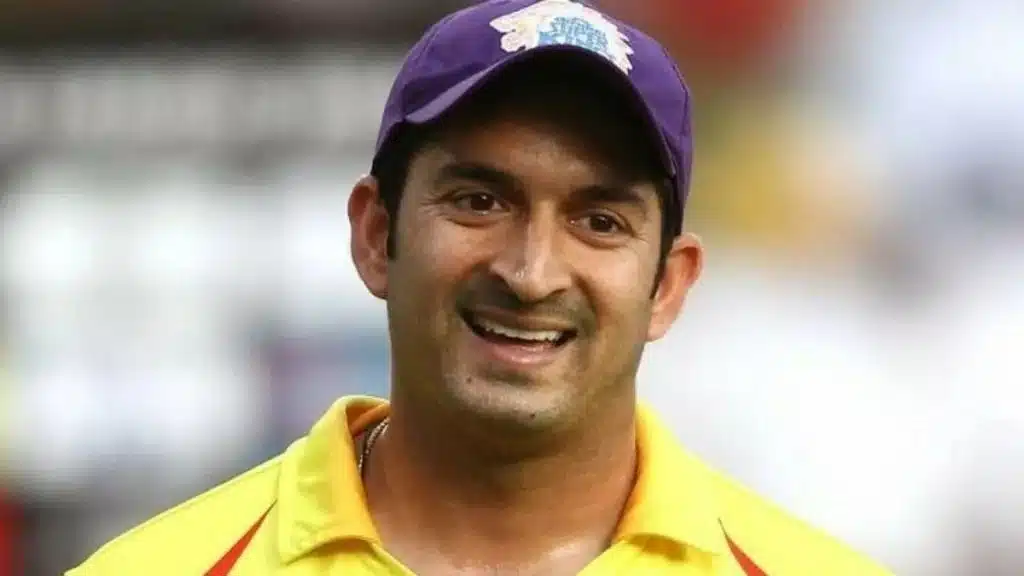
He finished with 23 wickets in 16 matches, at an 8.40 economy and 19.65 average. Those are not the loudest numbers in Purple Cap history, but they reflect a season built on reliability and execution rather than spectacle.
This campaign is also important in the franchise context. It gave CSK another Purple Cap winner, reinforcing how often their bowling groups produced season-long wicket-takers in that era.
Mohit’s 2014 run deserves credit because it represents a different kind of Purple Cap season. Not all of them are iconic in style. Some are won through discipline, repeatability, and the ability to keep delivering without much noise.
| Matches | Wickets | Economy | Average |
|---|---|---|---|
| 16 | 23 | 8.40 | 19.65 |
8. 2015: Dwayne Bravo (CSK) – 26 Wickets
Bravo’s second Purple Cap is important for a different reason than his first. The 2013 season made him historic. The 2015 season made him repeatable.
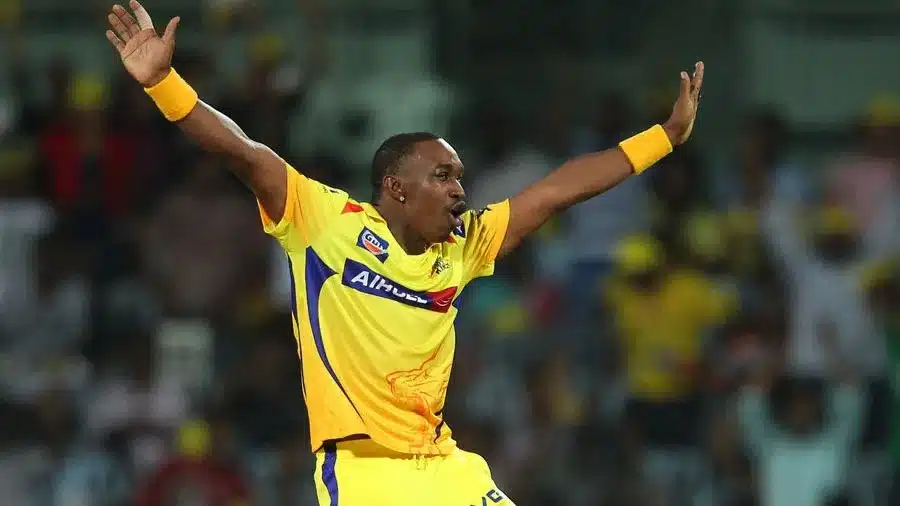
He took 26 wickets in 16 matches, with an 8.15 economy and 21.66 average, becoming the first bowler in IPL history to win the Purple Cap twice. That matters because it proved his 2013 season was not a one-off peak.
Across his two winning campaigns, Bravo collected 58 wickets in 2013 and 2015 combined, which is a ridiculous return for a bowler operating in the most volatile overs of T20 cricket. It also explains why he remains one of the most important bowlers in CSK’s IPL history.
This second win was less about setting records and more about confirming a pattern: if the innings got tight late, Bravo was often the bowler shaping the result. That is what made him such a durable Purple Cap contender.
| Matches | Wickets | Economy | Average |
|---|---|---|---|
| 16 | 26 | 8.15 | 21.66 |
9. 2016: Bhuvneshwar Kumar (SRH) – 23 Wickets
Bhuvneshwar Kumar’s first Purple Cap is one of the most valuable seasons on the list because it combined individual output with team success.
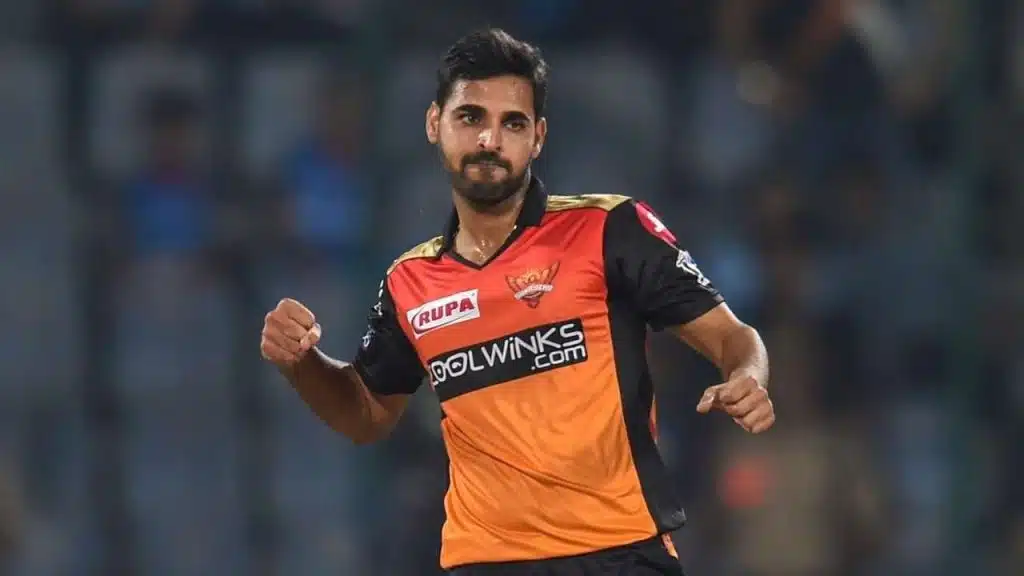
He took 23 wickets in 17 matches and helped Sunrisers Hyderabad win their first IPL title.
His 7.42 economy and 21.30 average do not scream dominance in the way some other years do, but that misses the point of this season. Bhuvneshwar’s strength was that he stayed relevant in every phase of the innings.
He could move the new ball, keep batters quiet, and still come back later in the innings with control. That all-phase usefulness is what made him such a complete T20 operator during this stretch.
This season also matters historically because it was the first half of the tournament’s only back-to-back Purple Cap run. On its own, it was excellent. In context, it was the start of something even more significant.
| Matches | Wickets | Economy | Average |
|---|---|---|---|
| 17 | 23 | 7.42 | 21.30 |
10. 2017: Bhuvneshwar Kumar (SRH) – 26 Wickets
If 2016 established Bhuvneshwar Kumar as a Purple Cap-level bowler, 2017 made him historically unique. He remains the only bowler to win the Purple Cap in back-to-back IPL seasons.
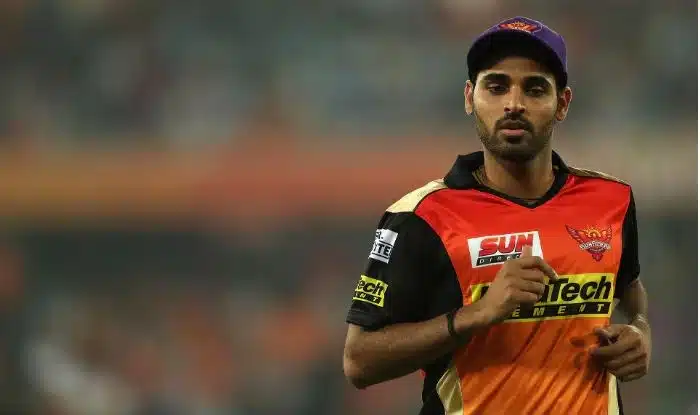
The raw output also improved. He took 26 wickets in only 14 matches, which is three more wickets in three fewer games than the year before. That is a major jump in efficiency.
The supporting numbers are strong too: 7.05 economy, 14.19 average, and a 12.07 strike rate. That is the profile of a bowler who was not just controlling games, but actively breaking them open at a very high frequency.
Put the two Bhuvneshwar seasons together, and it is one of the best two-year bowling stretches in IPL history. One Purple Cap is excellent. Doing it again immediately, with better numbers, is much harder.
| Matches | Wickets | Economy | Average | Strike Rate |
|---|---|---|---|---|
| 14 | 26 | 7.05 | 14.19 | 12.07 |
11. 2018: Andrew Tye (KXIP) – 24 Wickets
Andrew Tye’s Purple Cap season is one of the most T20-specific on the list. This was not a campaign built on pace or classic new-ball seam movement. It was built on deception, variation, and disruption.
He took 24 wickets in 14 matches, with an 8.00 economy and 18.67 average, which gave him one of the more efficient Purple Cap returns among mid-20-wicket winners.
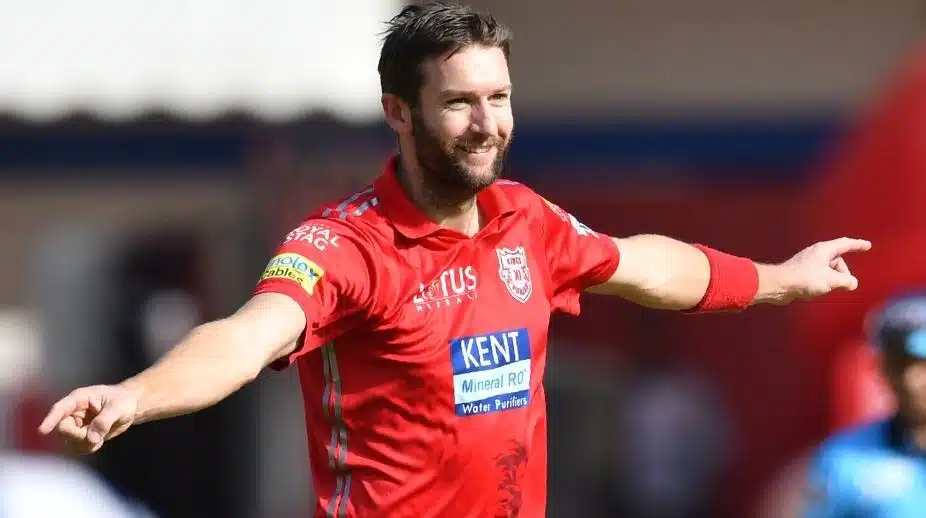
He was especially notable for remaining useful across multiple phases rather than being limited to a single role.
For an Australian bowler, this remains one of the strongest single IPL wicket-taking campaigns in the dataset. That alone makes it a season worth separating from the more famous names.
Tye’s 2018 run is a reminder that IPL success does not always belong to the quickest or the most classical bowler. Sometimes it belongs to the one who batters simply cannot time cleanly for six weeks.
| Matches | Wickets | Economy | Average |
|---|---|---|---|
| 14 | 24 | 8.00 | 18.67 |
12. 2019: Imran Tahir (CSK) – 26 Wickets
Imran Tahir’s Purple Cap season is one of the most unusual on the list because of who he was at that stage of his career. At 40 years old, he became the oldest Purple Cap winner in IPL history.
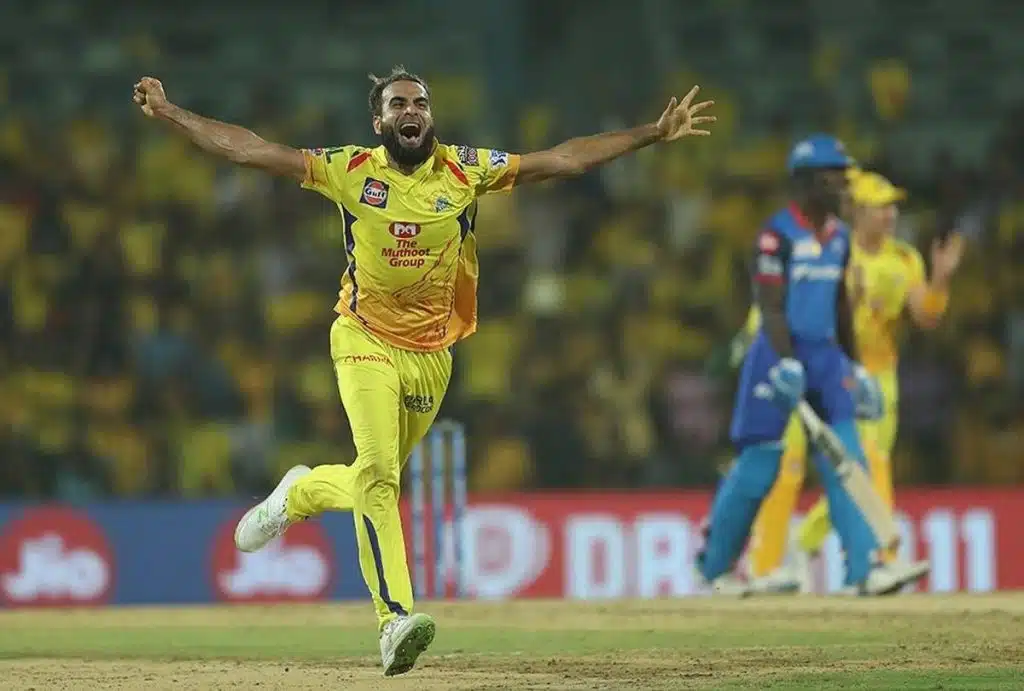
What makes the season even better is that it was not merely a sentimental stat. He was excellent. Tahir took 26 wickets in 17 matches, with a superb 6.69 economy and 16.58 average. Those are serious T20 numbers regardless of age.
He also became the first spinner since Pragyan Ojha in 2010 to win the Purple Cap, ending a long stretch of pace domination in the award’s history. For a South African audience, that makes this entry particularly notable.
Tahir’s 2019 campaign stands out because it combined longevity, control, and wicket-taking threat all at once. Very few Purple Cap seasons have looked quite like it.
| Matches | Wickets | Economy | Average |
|---|---|---|---|
| 17 | 26 | 6.69 | 16.58 |
13. 2020: Kagiso Rabada (DC) – 30 Wickets
Kagiso Rabada’s 2020 season belongs near the top end of this list immediately because of one number: 30. Besides Bravo and Harshal Patel, he is the only bowler in your data to reach the 30-wicket mark.
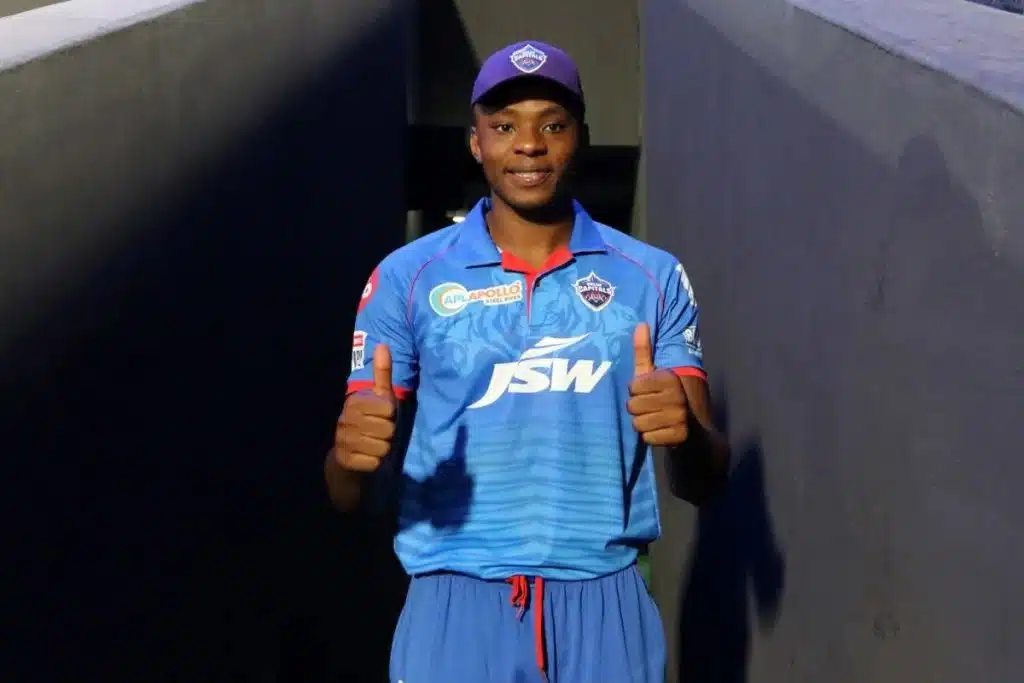
Rabada finished with 30 wickets in 17 matches, plus an 8.34 economy and 18.27 average. That alone is enough to place this season among the most productive Purple Cap campaigns in IPL history.
The context makes it even better. This was the UAE edition of the tournament, and Rabada’s pace, bounce, and ability to create wicket-taking chances in those conditions made him central to Delhi Capitals’ run to their first IPL final.
For a South African cricket audience, this is one of the headline Purple Cap seasons. Morkel gave South Africa its first win in 2012. Tahir added another in 2019. Rabada then delivered one of the biggest wicket hauls the tournament has seen.
| Matches | Wickets | Economy | Average |
|---|---|---|---|
| 17 | 30 | 8.34 | 18.27 |
14. 2021: Harshal Patel (RCB) – 32 Wickets
Harshal Patel’s 2021 season is one of the strongest statistical cases for the best Purple Cap campaign ever. He matched Bravo’s all-time record of 32 wickets, but did it in just 15 matches.
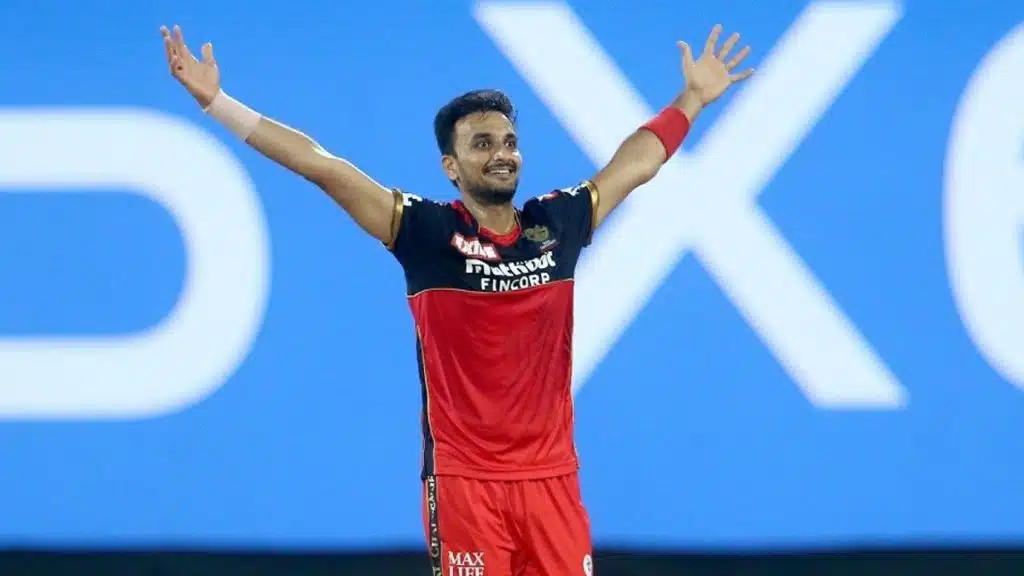
That is already elite, but the deeper number is even more impressive: an average of 14.34. That is the lowest bowling average among all Purple Cap winners in your data, which means no winner was harder to score off per wicket taken.
He also maintained an economy of 8.14, which keeps the season from becoming a “wickets but expensive” campaign. It was not that. It was a properly high-value wicket-taking season with excellent overall returns.
What makes this season special is that it was not driven by express pace or classic seam bowling. It was built on cutters, slower balls, and variations executed at a level that very few bowlers have sustained for a full IPL season.
| Matches | Wickets | Economy | Average |
|---|---|---|---|
| 15 | 32 | 8.14 | 14.34 |
15. 2022: Yuzvendra Chahal (RR) – 27 Wickets
Yuzvendra Chahal’s Purple Cap season is significant because it remains the only one by a leg-spinner in your dataset. That already makes it distinct in the broader history of the award.
He took 27 wickets in 17 matches, with a 7.75 economy and 19.52 average, which is a strong all-round return for a wrist-spinner operating in a high-risk role. Among the spinner winners, it is one of the more aggressive wicket-taking campaigns.
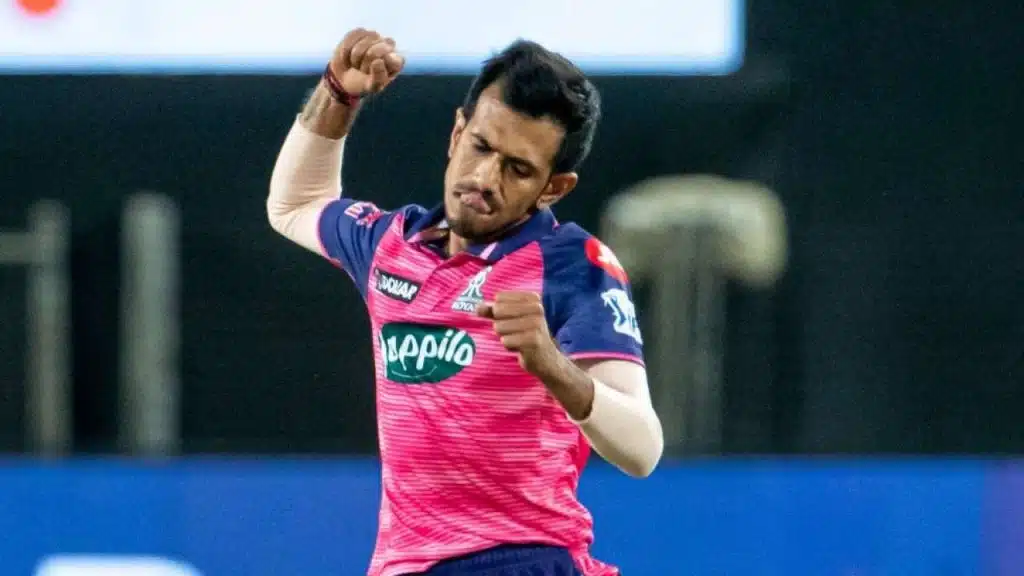
This was also his best IPL season in the material you shared, which gives it extra weight compared to some other one-off Purple Cap years. He did not just edge the list; he produced a genuinely standout season.
Chahal’s entry matters because it shows that spin winners in the IPL usually have to do more than simply contain. They need to keep attacking. That is exactly what this season delivered.
| Matches | Wickets | Economy | Average |
|---|---|---|---|
| 17 | 27 | 7.75 | 19.52 |
16. 2023: Mohammed Shami (GT) – 28 Wickets
Mohammed Shami’s Purple Cap campaign is one of the cleanest fast-bowling seasons in the list. No mystery spin, no heavy variation identity, no novelty. Just repeatable seam bowling and constant wicket threat.
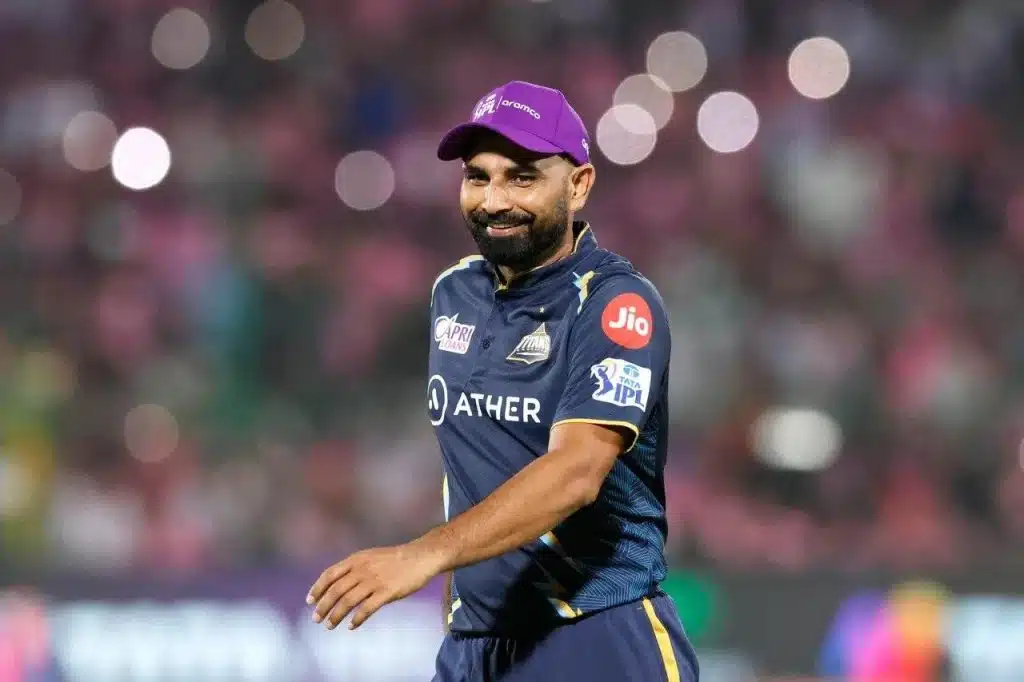
He finished with 28 wickets in 17 matches, plus an 8.03 economy and 18.64 average. That is a strong statistical profile already, but what makes the season more interesting is how clearly it was built on method.
Among the winners, Shami’s 2023 campaign stands out as a reminder that the IPL Purple Cap does not always go to the trickiest bowler. Sometimes it goes to the one who keeps hitting the same quality zone over and over until batters make mistakes.
For Gujarat Titans, this was also the first Purple Cap-winning season in the franchise’s history, which gave the year a little extra historical weight.
| Matches | Wickets | Economy | Average |
|---|---|---|---|
| 17 | 28 | 8.03 | 18.64 |
17. 2024: Harshal Patel (PBKS) – 24 Wickets
Harshal Patel’s second Purple Cap is more interesting than it first looks.
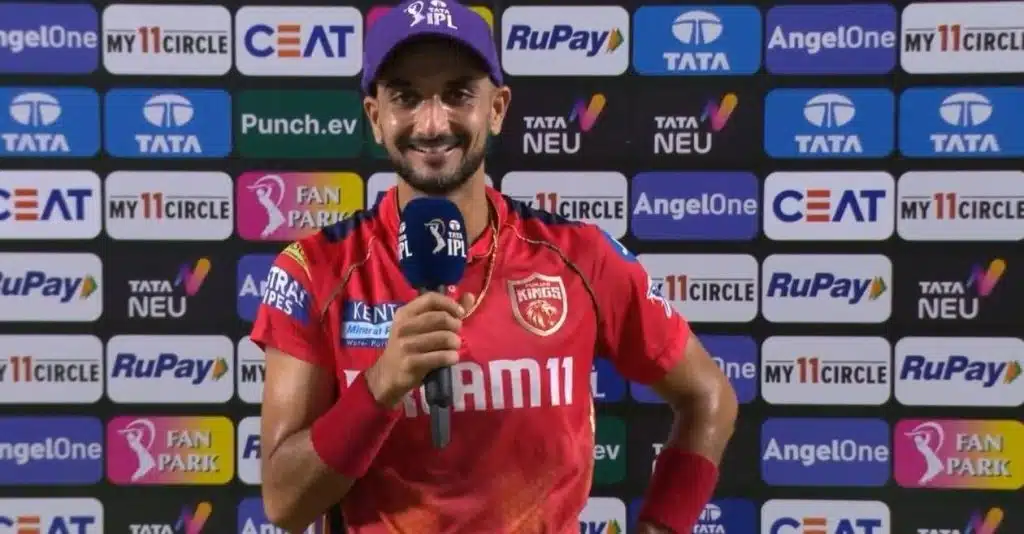
On paper, it is 24 wickets in 14 matches, which is solid. In context, it made him the only player to win the Purple Cap for two different franchises.
That immediately separates him from every other repeat winner. Bravo did both for CSK. Bhuvneshwar did both for SRH. Harshal proved he could replicate Purple Cap output in a completely different team environment.
His supporting numbers were 9.73 economy and 19.88 average, so this was not as statistically sharp as his 2021 season. But that is not really the point. The value here is repeatability across different setups.
That makes 2024 less of a peak and more of a confirmation season. It told you that Harshal Patel’s first Purple Cap was not a one-year anomaly.
| Matches | Wickets | Economy | Average |
|---|---|---|---|
| 14 | 24 | 9.73 | 19.88 |
18. 2025: Prasidh Krishna (GT) – 25 Wickets
Prasidh Krishna’s 2025 season closes the list with a campaign that was strong, efficient, and significant for the Gujarat Titans. He finished with 25 wickets in 15 matches, enough to take the Purple Cap in a competitive year.
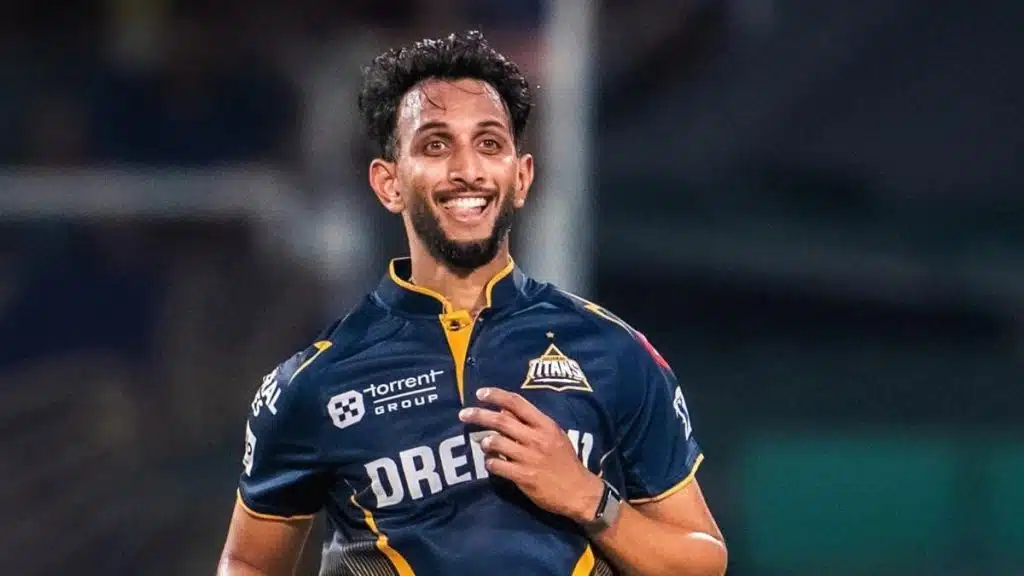
His 8.27 economy and 19.52 average show that this was a properly balanced season rather than a one-dimensional wicket chase. It was also enough to make him the second Gujarat Titans bowler after Mohammed Shami, to top the Purple Cap table.
From a structural point of view, his win is also a reminder that the Purple Cap still often favors fast bowlers who consistently create awkward scoring zones. That is exactly the kind of season this was in your notes.
It may not sit in the absolute top tier of Purple Cap seasons numerically, but it is still a clean, credible, high-quality finish to the honors list.
| Matches | Wickets | Economy | Average |
|---|---|---|---|
| 15 | 25 | 8.27 | 19.52 |
Team-Wise Purple Cap Winners
Some franchises have produced repeat winners. Others are still waiting for their first.
| Team | Wins | Winners |
|---|---|---|
| Chennai Super Kings | 4 | Bravo (2013, 2015), Mohit Sharma (2014), Imran Tahir (2019) |
| Sunrisers Hyderabad | 2 | Bhuvneshwar Kumar (2016, 2017) |
| Gujarat Titans | 2 | Mohammed Shami (2023), Prasidh Krishna (2025) |
| Deccan Chargers | 2 | RP Singh (2009), Pragyan Ojha (2010) |
| Rajasthan Royals | 2 | Sohail Tanvir (2008), Yuzvendra Chahal (2022) |
| Delhi Daredevils / Capitals | 2 | Morne Morkel (2012), Kagiso Rabada (2020) |
| Kings XI Punjab / PBKS | 2 | Andrew Tye (2018), Harshal Patel (2024) |
| Mumbai Indians | 1 | Lasith Malinga (2011) |
| Royal Challengers Bangalore | 1 | Harshal Patel (2021) |
Suggested Reads:
Conclusion: CSK Lead The IPL Purple Cap List With 4 Winners
The Purple Cap winners list is not just a list of top wicket-takers. It is a quick history of how different kinds of bowlers have succeeded in the IPL.
Some won through swing. Some through bounce. Some through death-over deception. A few did it with spin. But the award has consistently favored bowlers who could keep taking wickets over six to eight weeks without dropping off.
The biggest numbers still stand out clearly. Bravo and Harshal Patel share the 32-wicket record. Bhuvneshwar Kumar remains the only back-to-back winner. Malinga still owns the best economy among the winners. And for South African cricket, the list includes three significant entries through Morne Morkel, Imran Tahir, and Kagiso Rabada.
That is what makes the Purple Cap such a strong marker of IPL excellence. It does not reward just one brilliant spell. It rewards a full season of impact.
FAQs
Dwayne Bravo, Bhuvneshwar Kumar, and Harshal Patel have won the Purple Cap twice each.
The record is 32 wickets, shared by Dwayne Bravo (2013) and Harshal Patel (2021).
Bhuvneshwar Kumar, in 2016 and 2017.
Morne Morkel (2012), Imran Tahir (2019), and Kagiso Rabada (2020).
Lasith Malinga, with an economy of 5.95 in 2011.
Chennai Super Kings, with 4 Purple Cap wins.