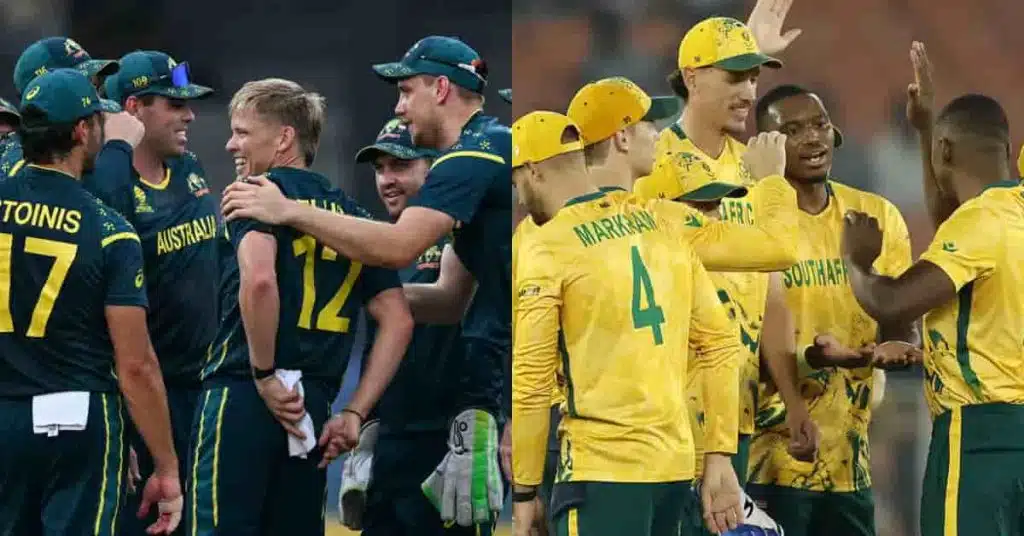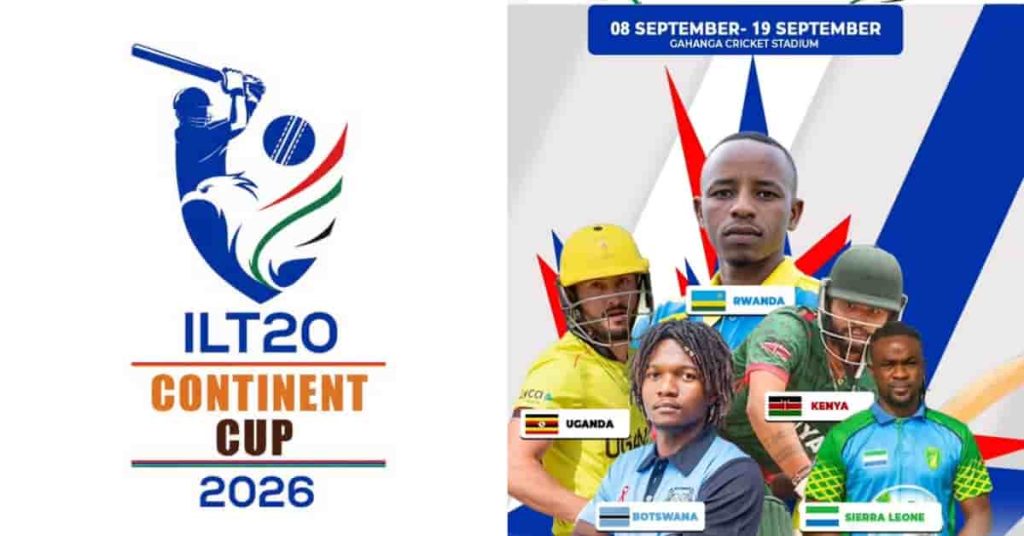
Cricket has historically been concentrated in a limited number of regions, with its strongest roots in countries such as India, Australia, England, and parts of South Asia. For decades, the sport relied heavily on international bilateral series and ICC tournaments to drive its global presence. However, the emergence of T20 leagues has fundamentally altered this structure, transforming cricket from a traditional sport into a global entertainment product. These leagues have introduced new formats, business models, and fan engagement strategies that have significantly expanded the sport’s reach.
The Rise of Franchise-Based T20 Leagues:
The introduction of franchise-based T20 leagues marked a turning point in cricket’s evolution. Unlike traditional international formats, these leagues operate on a city-based model, where teams are composed of players from different countries. This structure creates a unique blend of global talent, allowing fans to connect with players beyond national boundaries. As engagement with these leagues grows, many users also explore indian premier league betting sites to follow match trends and enhance their interaction with ongoing tournaments.
Franchise leagues have also introduced a commercial framework that supports large-scale investment and professional management. Sponsorships, broadcasting rights, and merchandising contribute to a sustainable ecosystem that fuels growth. This financial stability enables leagues to invest in infrastructure, marketing, and talent development, further enhancing their global appeal.
The presence of international players in these leagues plays a crucial role in expanding reach. Fans from different countries follow their favorite players, creating a cross-border audience that increases viewership and engagement. This global integration has been instrumental in positioning T20 leagues as a central component of modern cricket.
Digital Platforms and Global Accessibility:
One of the most significant factors driving the global reach of T20 leagues is the integration of digital platforms. The rise of streaming services, mobile applications, and social media has made cricket accessible to audiences worldwide. Fans no longer need to rely on traditional broadcasting channels; instead, they can watch matches, access highlights, and engage with content in real time.
Digital platforms eliminate geographical barriers, allowing leagues to reach audiences in regions where cricket was previously less popular. This accessibility has been particularly effective in attracting younger audiences who prefer consuming content on digital devices. The ability to deliver high-quality streaming and interactive features enhances the viewing experience and encourages sustained engagement.
The role of digital ecosystems extends beyond match viewing. Platforms provide comprehensive coverage, including statistics, analysis, and behind-the-scenes content. This holistic approach ensures that fans remain connected to the league even outside match hours, creating a continuous engagement cycle.
Cross-Cultural Appeal and International Fan Bases:
T20 leagues have successfully created a cross-cultural appeal that resonates with diverse audiences. By bringing together players from different countries, these leagues showcase a blend of playing styles and cultural influences. This diversity enhances the entertainment value and attracts fans from various backgrounds.
The development of international fan bases is a direct result of this cross-cultural integration. Fans are no longer limited to supporting national teams; they can follow franchises that represent cities or regions. This shift broadens the scope of fan engagement and creates new opportunities for global interaction.
Cultural exchange is also evident in the way leagues are marketed and presented. Music, entertainment, and branding elements are tailored to appeal to a wide audience, making T20 leagues more than just sporting events. They become cultural experiences that attract attention from both traditional cricket fans and new audiences.
The Role of Media and Content Strategy:
Media and content strategy play a crucial role in expanding the global reach of T20 leagues. High-quality production, engaging storytelling, and innovative content formats are used to capture audience interest. Broadcasters and digital platforms invest in creating visually appealing and informative content that enhances the overall experience.
Social media platforms serve as key distribution channels for this content, enabling leagues to reach millions of users instantly. Short-form videos, highlights, and interactive posts are designed to be easily shareable, increasing visibility and engagement. This approach ensures that content reaches a wider audience and remains relevant in a competitive digital landscape.
The use of data-driven insights further enhances content strategy. By analyzing user behavior and preferences, leagues can tailor their content to meet audience expectations. This personalization improves engagement and strengthens the connection between fans and the league.
Economic Impact and Market Expansion:
The economic impact of T20 leagues extends beyond the sport itself, contributing to the growth of related industries and markets. Hosting leagues in different countries stimulates local economies by generating revenue through tourism, hospitality, and infrastructure development. This economic activity supports the expansion of cricket into new regions.
Market expansion is also driven by strategic partnerships and investments. Leagues collaborate with global brands and organizations to enhance their reach and credibility. These partnerships provide access to new markets and resources, facilitating growth and innovation.
The commercial success of T20 leagues demonstrates their ability to operate as viable business models. This success attracts further investment, creating a cycle of growth that benefits both the sport and its stakeholders.
Talent Development and Opportunities for Emerging Players:
T20 leagues provide a platform for emerging players to showcase their talent on an international stage. By competing alongside experienced professionals, young players gain valuable exposure and experience. This development pathway contributes to the overall growth of cricket by nurturing new talent.
The global nature of these leagues allows players from smaller cricketing nations to participate and gain recognition. This inclusivity promotes diversity and strengthens the global cricket ecosystem. As more players gain opportunities, the sport becomes more competitive and dynamic.
Talent development is further supported by advanced training facilities and coaching programs associated with T20 leagues. These resources help players improve their skills and adapt to different playing conditions, enhancing their overall performance.
Technological Innovation and Fan Engagement:
Technological innovation has played a significant role in enhancing fan engagement and expanding the reach of T20 leagues. Advanced analytics, real-time data, and interactive features provide fans with deeper insights into the game. These innovations create a more immersive experience, encouraging active participation.
Virtual and augmented reality technologies are also being explored to enhance the viewing experience. These tools allow fans to engage with matches in new and interactive ways, further increasing interest and engagement. The integration of technology ensures that T20 leagues remain at the forefront of innovation in the sports industry.
Fan engagement is also driven by interactive features such as live polls, fantasy leagues, and social media interactions. These elements create a sense of involvement and make fans feel like an integral part of the experience.
Challenges in Sustaining Global Growth:
Despite their success, T20 leagues face challenges in sustaining global growth. One of the primary challenges is maintaining competitive balance and ensuring that leagues remain attractive to audiences. Oversaturation of leagues and scheduling conflicts can impact viewership and engagement.
Another challenge is ensuring consistent quality across different regions. As leagues expand into new markets, maintaining high standards of organization and production becomes essential. This requires investment in infrastructure and expertise.
Regulatory and governance issues also play a role in shaping the future of T20 leagues. Ensuring compliance with international standards and addressing concerns related to player workload and scheduling are critical for long-term sustainability.
The Future of Cricket in a Globalized Landscape:
The future of cricket is closely tied to the continued growth of T20 leagues. As these leagues evolve, they will play an increasingly important role in shaping the global cricket ecosystem. The integration of technology, expansion into new markets, and development of talent will drive further growth.
Globalization will continue to influence how cricket is played, consumed, and marketed. T20 leagues are at the forefront of this transformation, providing a platform for innovation and collaboration. By embracing change and adapting to new trends, these leagues can ensure their relevance in a rapidly evolving sports landscape.
The ability to connect with audiences across different regions and cultures will remain a key factor in sustaining growth. As digital platforms and technological advancements continue to evolve, the potential for expansion will only increase.
Conclusion: Redefining Cricket’s Global Identity Through T20 Leagues
T20 leagues have fundamentally redefined cricket’s global identity by transforming it into a dynamic and accessible sport. Through franchise-based models, digital integration, and innovative strategies, these leagues have expanded the reach of cricket beyond traditional boundaries. They have created a global ecosystem where fans, players, and stakeholders are interconnected, driving growth and engagement.
The success of T20 leagues highlights the importance of adaptability and innovation in modern sports. By leveraging technology, embracing diversity, and focusing on fan experience, cricket has positioned itself as a truly global sport. As the landscape continues to evolve, T20 leagues will remain a central force in shaping the future of cricket and expanding its reach to new audiences around the world.